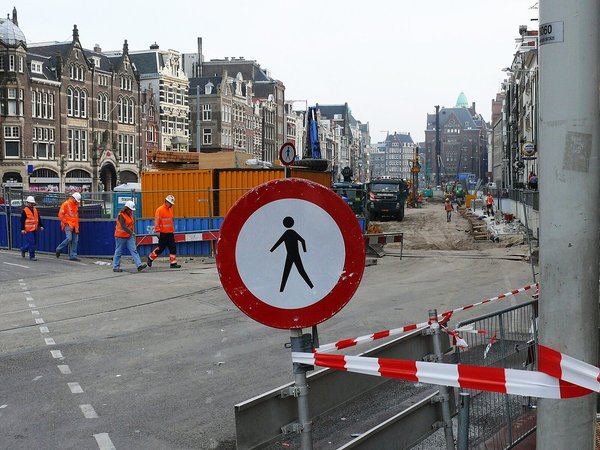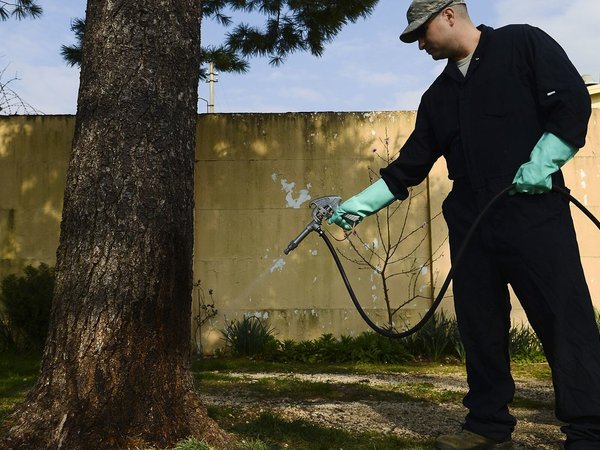
Facilities and property professionals at work
Industry Guide 🇺🇸 United States · Updated 2026

Property & Facilities.
Run the world we live in.

Every office tower, hospital, school, mall, stadium, and apartment complex needs people to operate, maintain, lease, and manage it. Property and facilities offers technical, customer-facing, and management pathways with education requirements that vary by occupation.

$106,660
Median facilities manager pay (May 2025)
30+
Distinct property & facilities career paths
148,700
Maintenance and repair worker openings each year
11%
Projected HVAC employment growth 2025–2035
2 · The basics

So… what is property & facilities?

Young property and facilities professionals managing a modern building
?
Property & facilities = keeping buildings aliveManaging, maintaining, leasing & running the places we use.

These are the people who keep the lights on.

Property and facilities professionals manage, maintain, lease, and operate the buildings and spaces the world depends on — office towers, hospitals, schools, apartments, malls, warehouses, and stadiums. When the AC works, the elevators run, the rent is collected, and the place is clean and safe, it's because of them.

The field splits into two big worlds that overlap: property (leasing, managing, and investing in real estate) and facilities (the hands-on work of keeping a building running — HVAC, maintenance, security, energy, grounds, and cleaning). Every occupied building on Earth needs both.

It's a field for people who like solving practical problems, working with their hands or with people, and seeing the real-world result of their work every single day.

Places that can't run without these teams:
🏢Office towers 🏥Hospitals 🏫Schools 🏬Malls 🏟️Stadiums 🏘️Apartments 📦Warehouses 🏨Hotels 🏭Factories ✈️Airports
3 · Why it's worth it

7 reasons students choose this field.

The field spans practical trades, building operations, leasing, and management. Here are several reasons students explore property and facilities careers.

🛡️
Essential building services
Occupied buildings require maintenance and management, although hiring levels still change with construction, real-estate, and economic conditions.
🚪
Multiple entry routes
Depending on the role, entry may come through employer training, trade school, an apprenticeship, related experience, certification, or a degree.
📈
Clear ladders
Start as a technician or leasing agent and climb to building engineer, property manager, or director of facilities.
🧰
Real, useful skills
HVAC, electrical, plumbing, and building systems are skills nobody can outsource — and that you'll use for life.
🌍
Jobs everywhere
Every town has buildings. You can work in any U.S. city and take your skills wherever you want to live.
💸
Strong, stable pay
Skilled technicians and managers earn solid, reliable salaries — plus overtime, bonuses, and often housing perks.
🤝
People + problems
If you like fixing things and helping people, you'll do both daily — tenants, teams, and buildings all need you.
🌱
Green future
Energy efficiency and smart buildings are booming. Sustainability skills make you more valuable every year.
4 · How to get in

There's more than one road in.

Education requirements vary widely. Maintenance workers typically enter with a high-school diploma and on-the-job training, HVAC technicians commonly need postsecondary technical training, and facilities managers typically need a bachelor's degree plus related experience.

Start here: high school

No matter which route you take, these subjects open doors across property and facilities. Take the most useful ones you can, and grab any career-tech, shop, or dual-enrollment options your school offers.

🔧
Technology / Shop
Hands-on skills
📐
Mathematics
Budgets & measures
⚡
Electricity / HVAC
CTE building trades
💼
Business
For property mgmt
💻
Computer Skills
Building software
✍️
English
Leases & comms
Route 1EARN
Trades Apprenticeship
Length varies · Paid work-based learning
Registered apprenticeships combine paid work and instruction for some HVAC, electrical, plumbing, and maintenance pathways. Availability, length, entry requirements, and education costs vary.
Best for: hands-on learners
Route 2$
Technical / Trade School
6 months–2 years · Certificate / AAS
Train fast as an HVAC tech, building maintenance technician, or building systems specialist. Cheaper and quicker than college, with strong starting pay and licenses that travel.
Best for: fast start, technical careers
Route 3$
Entry-Level → Promote Up
Start now · Learn on the job
Get hired as a leasing consultant, custodial team member, or maintenance helper and work your way up. Many property and facilities managers started at the bottom and climbed.
Best for: earning right away, proving yourself
Route 4$$$
Four-Year College Degree
4 years · BS/BA
A degree in facilities management, real estate, construction management, or business speeds you toward management and corporate roles at big firms like CBRE and JLL.
Best for: management & corporate track
Route 5$
Community College
2 years · Associate degree
Study building technology, real estate, or business at low cost close to home. Transfer later or head straight into a supervisor role — a smart, affordable middle path.
Best for: saving money, keeping options open
Route 6$
Licenses & Certifications
Weeks–months · Credential-first
A real estate license, EPA 608 (HVAC), or industry certs like FMP, CFM, or LEED can launch or level up a career fast — sometimes with no degree at all.
Best for: quick credentials & career-changers
5 · The disciplines

Pick a branch of property & facilities.

This isn't one job — it's a family of them. Tap any discipline to see what they do, where they work, what they earn, and how strong demand is.

6 · The money

The property & facilities salary guide.

Illustrative U.S. salary ranges by career. Actual pay depends on the occupation, experience, credentials, employer, and location; official national medians appear in the fast facts below.

Real Estate AgentCommission ceiling
$45k–$150k+
Facilities ManagerLeadership track
$60k–$120k+
Energy / Systems Manager
$65k–$120k+
Real Estate Analyst
$60k–$110k+
Property Manager
$55k–$110k+
Building Engineer
$55k–$100k+
HVAC Technician
$48k–$90k+
Security Systems Tech
$45k–$85k+
Maintenance TechnicianEmployer training common
$40k–$70k+
Leasing ConsultantEntry point
$38k–$65k+

Illustrative career progression

Entry-level0–3 years
$44k
Mid-career4–9 years
$68k
Senior10–15 years
$95k
Director / Chief15+ years
$135k

What affects your pay

Occupation, experience, location, licenses, certifications, employer, overtime, on-call work, commissions, and property type can all affect earnings. Check current local openings before making an education or career decision.

7 · Plan your classes

What to take in high school.

You don't need straight A's in everything — you need the right foundation. Load up on these and you'll be ready for any property or facilities path.

🔧
Shop / Technology
Wood, metal, electronics, small engines — anything hands-on. The single best prep for the facilities trades.
Most useful
⚡
CTE Building Trades
If your school offers HVAC, electrical, or construction pathways, take them — they lead straight to paid careers.
Head start
📐
Mathematics
Budgets, measurements, and system calculations. Solid math skills make every property and facilities role easier.
Essential
💼
Business / Economics
Leases, rent, and budgets are business at heart — key if you're heading toward property management or real estate.
For managers
💻
Computer Skills
Modern buildings run on software — work orders, building controls, and spreadsheets. Get comfortable with tech.
Future-proof
🧪
Physics / Science
How heat, air, water, and electricity move helps you understand HVAC, plumbing, and building systems.
Recommended
✍️
English & Writing
You'll write leases, reports, and tenant notices, and explain problems clearly. Communication wins promotions.
Underrated
🤝
Leadership / Team Roles
Sports, clubs, or a part-time job teach you to manage people and problems — exactly what supervisors do.
Practical
🎯

Real talk: Get a summer or weekend job at an apartment complex, hardware store, hotel, or maintenance crew. Employers love students who've already shown up and worked with their hands — and it's the best way to find out if you enjoy the field before you commit.

8 · Beyond the grades

Skills property & facilities employers want.

Technical knowledge gets you in the door. These skills are what get you hired, promoted, and paid more — and you can start building them right now.

🧩

Problem Solving

When the AC fails or a tenant's flooded, you figure it out fast. The #1 thing this field pays you for.

🛠️

Hands-On Skills

Comfort with tools, systems, and fixing things. The core of every technician and building-engineer role.

💬

Communication

Explaining issues to tenants, teams, and bosses clearly — and staying calm when people are frustrated.

🤝

Customer Service

Tenants and clients are customers. Treat them well and you'll keep buildings full and get promoted.

⭐

Leadership

Running crews, vendors, and projects. It's how technicians become supervisors and managers.

🔬

Attention to Detail

A missed inspection or safety step can be a big deal. Care and thoroughness keep buildings safe.

⏱️

Time Management

Juggling work orders, deadlines, and emergencies. The best in this field prioritize like pros.

🖥️

Technology Skills

Building controls, work-order apps, and smart-building software. Master the tools and you move up faster.

📊

Budgeting & Numbers

Managing costs, rents, and contracts. Understanding the money makes you management material.

10 · What's coming

The future of buildings is being built now.

The people entering this field today will run buildings that think for themselves. Here's where the field — and the best-paid jobs — are heading. Scroll across →

🏢
Smart Buildings
Sensors, automation, and AI now control heating, lighting, and security automatically. Someone has to install, run, and tune it all — a fast-growing, well-paid niche.
Hottest field
🔋
Energy Efficiency
Cutting buildings' energy use and carbon is now a top priority — and a whole career. Energy managers are among the most in-demand hires.
High growth
🌱
Green & LEED Buildings
Sustainable construction and certifications like LEED are becoming the standard. Green skills make you more valuable every year.
High impact
🤖
AI & Automation
AI predicts when equipment will fail before it breaks and routes work orders automatically. Facilities pros who master these tools move up fastest.
Emerging
📊
Building Data & IoT
Buildings now produce oceans of data. Reading it to cut costs and improve comfort is a brand-new, high-value skill set.
New skill
🔧
Predictive Maintenance
Instead of fixing things after they break, teams now use sensors to fix them before they do — saving huge money and downtime.
Fast growth
🏗️
Adaptive Reuse
Empty offices and malls are being converted into apartments and mixed-use space. A wave of work for property and facilities teams.
Booming
🛡️
Smart Security
Cloud cameras, mobile access, and connected alarms are replacing keys and guards. Security-systems techs are in high demand.
Frontier
🏘️
PropTech
Apps for leasing, rent, and maintenance are transforming property management. Tech-savvy managers will lead the field.
Next decade
11 · Property & facilities by the numbers

Fast facts that'll change your mind.

$106,660
Median facilities manager pay
U.S. median annual wage in May 2025.
Source: U.S. Bureau of Labor Statistics, Occupational Outlook Handbook
30+
Distinct career paths
From HVAC to leasing to real estate analysis — and growing.
Source: Illustrative — for general guidance only
148,700
Maintenance openings each year
Projected average annual openings for general maintenance and repair workers from 2025 to 2035.
Source: U.S. Bureau of Labor Statistics, Occupational Outlook Handbook
11%
Projected HVAC job growth
Projected employment growth for HVAC mechanics and installers from 2025 to 2035.
Source: U.S. Bureau of Labor Statistics, Occupational Outlook Handbook
$61,010
Median HVAC technician pay
U.S. median annual wage in May 2025.
Source: U.S. Bureau of Labor Statistics, Occupational Outlook Handbook
460,400
Property management jobs
Estimated U.S. employment for property, real-estate, and community-association managers in 2025.
Source: U.S. Bureau of Labor Statistics, Occupational Outlook Handbook
12 · Your questions, answered

Everything you wanted to ask.

Requirements depend on the occupation. General maintenance workers typically need a high-school diploma and on-the-job training. HVAC technicians usually need a postsecondary nondegree award plus substantial workplace training. Property managers typically combine a high-school diploma with related experience, while facilities managers typically need a bachelor's degree and related experience.

They overlap a lot. Property management focuses on the business side — leasing, tenants, rent, and keeping a building profitable and full. Facilities management focuses on the operations side — HVAC, maintenance, safety, cleaning, and keeping the building physically running. In smaller buildings one person may do both; in big ones they're separate teams that work closely together.

Commission-based real estate agents and brokers have the highest ceiling — top performers earn well into six figures. On the salaried side, directors of facilities, energy managers, and regional property managers earn the most. Skilled trades like HVAC also pay very well, especially with overtime and licenses. As always, location matters hugely: the same role can pay far more in California or New York than in the Midwest.

Registered apprenticeships are available for some HVAC, electrical, plumbing, and maintenance pathways. They combine paid work with technical instruction, but availability, length, entry requirements, and education costs vary by occupation, employer, union, and location.

The outlook varies by occupation. BLS projects 11% growth for HVAC mechanics and installers, 5% for administrative services and facilities managers, and 4% for both general maintenance workers and property managers from 2025 to 2035. Local demand can still change with real-estate activity, construction, and economic conditions.

If you're heading for the trades, prioritize shop/technology classes and any CTE building-trades pathways your school offers (HVAC, electrical, construction). Add math and a science like physics to understand building systems. If you're aiming for property management or real estate, take business, economics, and English. A part-time job in maintenance, hospitality, or leasing is a huge advantage on top of class.

For the technician and building-engineer side, yes — you'll want to enjoy fixing and building things. But the field is bigger than that. Property management, leasing, real estate analysis, and energy management are more about people, business, and numbers than tools. There's a role for almost every personality — from the hands-on fixer to the deal-maker to the spreadsheet strategist.